What to know when booking rubbish collection around Tring town events
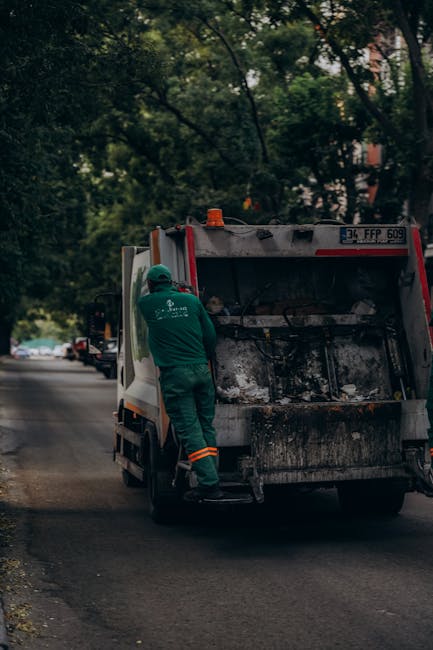
Planning rubbish collection around Tring town events can feel a bit fiddly at first, especially when roads are busier than usual, parking is tighter, and the last thing you want is a skip or collection team arriving right in the middle of a market, parade, or local event setup. The good news? With a little planning, booking rubbish collection around Tring town events becomes straightforward. You just need to think about timing, access, waste type, and how the collection fits around the day's flow.
This guide breaks down what to know when booking rubbish collection around Tring town events in plain English. We'll cover how it works, who it suits, what to ask before you book, common mistakes to avoid, and a practical checklist you can actually use. If you are clearing a property, tidying a shop, handling event waste, or just trying to avoid a messy weekend surprise, you'll find the key points here.
To be fair, most problems come down to one thing: leaving it too late. A bit of forward thinking saves stress, time, and awkward access issues later on.
Why What to know when booking rubbish collection around Tring town events Matters
Tring has that lovely small-town feel, and that is part of the charm. But during local events, the same features that make the town pleasant can also make rubbish collection trickier. Streets can narrow fast, temporary road controls may appear, visitors may park where they normally wouldn't, and a collection crew may need space that simply is not there for long. That is why booking at the right time matters so much.
Miss the timing and you might be stuck with waste piled in the wrong place, blocked access, missed collections, or extra handling on the day. That sounds minor until you are the person trying to run a venue, manage a home clearance, or keep a business looking tidy while people are walking past with coffee in hand and wondering why there is a sofa on the pavement. Not ideal, really.
There is also the matter of reputation. If you are a retailer, landlord, organiser, or homeowner near an event route, a neat, well-timed collection makes everything look controlled. A badly timed one can make a small job feel chaotic. And yes, people do notice.
In practice, knowing what to expect means you can plan around event traffic, choose the right service, and avoid paying for a collection that cannot be completed as scheduled. That alone is worth a bit of attention.
How What to know when booking rubbish collection around Tring town events Works
Most rubbish collection bookings follow a similar pattern: you explain what needs removing, when access is available, and how much waste there is. The provider then estimates the job, confirms any restrictions, and arranges a collection slot. Around town events, the main difference is that access and timing become much more important than usual.
Here is the simple version. First, the collection company needs to know what type of waste you have. Household clutter, furniture, garden waste, office rubbish, builder's rubble, or mixed loads all need slightly different handling. Then they need to know where the waste is located and whether they can get close enough to load it efficiently.
Next comes timing. Around event days, a morning slot might be better than the afternoon, or vice versa depending on the route, parking restrictions, and delivery windows in the area. If your property is near a busy event street, you may need to allow extra time for the crew to park, load, and leave without delay.
Some collections are point-and-load, where everything is loaded directly into the vehicle. Others may need waste to be moved from inside a property or garden to a kerbside access point. That sounds obvious, but it's exactly where many bookings get messy. A clear driveway in theory can become unusable in practice once an event starts and cars begin to line up. The last ten metres suddenly matter a lot.
If you are booking for a business or event site, the process may also involve coordinating with staff, site managers, or neighbouring properties. For example, a cafe clearing post-event packaging may need a short off-peak slot before the lunchtime rush. A householder clearing old furniture may need the team to arrive before road closures begin. Small detail, big difference.
One more thing: if you need a broad service that covers several waste types, a general service such as waste removal is often a flexible place to start, while more specific jobs may fit better with dedicated clearance options. The right fit depends on the actual load, not just the postcode.
Key Benefits and Practical Advantages
Booking rubbish collection with event timing in mind gives you more than convenience. It can change the whole experience from stressful to manageable. Here are the main benefits, without the fluff.
- Less disruption: Collections can be timed around traffic, crowds, and temporary restrictions.
- Better access planning: You reduce the risk of blocked vans, missed pickups, or awkward loading points.
- Cleaner presentation: Helpful if you run a shop, venue, rental property, or hospitality business near the event area.
- Lower stress on the day: Nobody enjoys moving heavy items at the last minute while the street is full of people.
- Improved safety: Waste left in walkways, gardens, or entrances can create trip hazards.
- More efficient pricing: Clear information at the start can help avoid delays and unexpected extras.
There is also a practical side that often gets overlooked. If your waste is collected before an event begins, you may avoid needing a second round of handling later. That matters if you are dealing with furniture, office clear-outs, garden debris, or building waste. In short, better timing can reduce labour, not just inconvenience.
For larger clearances, combining the right service can help. A homeowner might need house clearance for general property contents, while a business may need office clearance to remove desks, chairs, and mixed office items without holding up the working day. Matching the service to the job is half the battle.
Who This Is For and When It Makes Sense
This kind of planning is not just for big organisers. It is useful for all sorts of people around Tring, especially when event days change the usual rhythm of the town.
- Homeowners: If you are clearing rooms, old furniture, garage clutter, or garden waste before a family gathering or local event, timing matters.
- Landlords and letting agents: Vacant properties near event routes can be hard to access if collections are left too late.
- Retailers and cafes: Businesses often need waste gone before footfall picks up.
- Offices and studios: Internal clear-outs are easier when collections happen outside busy periods.
- Event organisers: You may need post-event rubbish collection, pre-event site clearance, or both.
- Trades and contractors: If you are working near a town event, loading windows may be tight and the waste may need moving quickly.
It also makes sense when you have bulky items. Think broken wardrobes, worn sofas, old shelving, garden cuttings, or construction offcuts. If the event means your usual access route is compromised, a planned collection saves you from improvising with a wheelbarrow and a bad temper. Nobody needs that on a Saturday morning.
For furniture-heavy jobs, a focused service like furniture clearance or furniture disposal may be the cleaner route. For garages, lofts, and similar spaces, targeted options such as garage clearance and loft clearance can save time if the waste is coming from one specific area.
Step-by-Step Guidance
If you want to book without guesswork, follow this order. It keeps things sensible and avoids the classic "we thought someone else had arranged that" conversation.
- Check the event timing first. Look at when crowds, road controls, or parking pressure are likely to affect your address.
- List what needs removing. Be specific. A few black bags are very different from a full house, a dismantled bed, or builder's rubble.
- Measure access honestly. Can a vehicle reach the property? Is there turning space? Will the crew need to carry items a long way?
- Separate reusable or hazardous items. Not everything should go in one pile. Paint, chemicals, gas bottles, and certain electricals may need special handling.
- Choose the right collection window. Book before the event starts if access will be reduced later in the day.
- Confirm what the price includes. Ask about labour, loading time, parking considerations, and any items that might be excluded.
- Prepare the waste in advance. Make it easy to load. Sorting it neatly often saves time and lowers the chance of delays.
- Leave a clear route. Doorways, steps, side gates, and driveways should be as unobstructed as possible.
- Be reachable on the day. If access changes because of event traffic or an unexpected closure, the team may need to contact you quickly.
A good rule of thumb: if the collection point will be awkward for you, it will probably be awkward for the crew too. Better to work that out before the vehicle arrives, not after.
When the waste is from a business or commercial premises, a service such as business waste removal may be more suitable than a generic clearance. Likewise, if you have waste from a small renovation or DIY job, builders waste clearance can be a more practical match than trying to force everything into a general collection.
Expert Tips for Better Results
These are the small things that make a big difference. The unglamorous bits, really. But they save time.
- Book earlier than you think you need to. Event weeks tend to fill up fast. Don't leave it to the last minute unless you enjoy stress.
- Be precise about collection access. "Easy access" means different things to different people. Say whether there is a driveway, a side alley, stairs, or a lift.
- Send photos if possible. This is one of the simplest ways to avoid misunderstandings about volume and access.
- Group items by type. Furniture, garden waste, general rubbish, and building materials are easier to assess when they are separated.
- Think about weather. A wet afternoon can make outdoor lifting slower and messier. A dry morning often works better.
- Allow for event spillover. Sometimes the official event time is one thing and the real-world traffic is another. You will notice that sooner than expected.
A small aside: one of the easiest mistakes is underestimating how long a simple collection takes when everyone else is trying to park in the same few streets. A five-minute delay can become a twenty-minute shuffle. That is just how town centres behave on event days.
If presentation matters, such as for guest arrivals or customer-facing premises, pairing waste removal with a cleaner reset can be useful. A clear, uncluttered entrance feels calmer the moment people step in. Sounds obvious, but it changes the whole mood of a space.
Common Mistakes to Avoid
Most collection problems are avoidable. The usual issues are not dramatic; they are just annoying enough to ruin the day. Here's what tends to go wrong.
- Booking too late: Event-related access restrictions can leave you with no workable slot.
- Guessing the waste volume: A load that "looks about right" is often bigger than expected.
- Forgetting about parking: If the vehicle cannot stop nearby, the job may take longer or need rearranging.
- Mixing prohibited items in with general waste: This can delay collection or require separation on the day.
- Assuming every service handles the same things: Not all providers take every type of waste.
- Leaving the pile in the wrong place: A collection point blocked by cars, bins, or event equipment slows everything down.
- Not checking building access: Narrow stairwells, low ceilings, or shared entrances can create real issues.
There is also a subtler mistake: assuming the cheapest option is the best one. Sometimes it is, but not always. If a slightly more expensive booking gives you a better time slot, clearer communication, and a smoother pickup around event traffic, that may be the better value. Cheapest and easiest are not always the same thing. Shame, but true.
Tools, Resources and Recommendations
You do not need fancy software or specialist gear to organise a rubbish collection properly. A few simple tools and habits are enough.
- Phone photos: Use them to show the waste pile, access path, and parking space.
- Basic measurements: A tape measure helps if you are dealing with large furniture or tight hallways.
- A rough item list: Note anything bulky, heavy, or awkward.
- Paper or notes app: Keep event times, access restrictions, and booking details in one place.
- Labels or piles: Separate items you are keeping from items being removed. It sounds simple, and it is.
For related jobs, it helps to know the service categories that exist. Garden waste is often easier to deal with through garden clearance, while residential contents may suit home clearance. If you are tidying a flat with limited access near a busy event route, flat clearance can be a better fit.
It can also help to think about how the provider handles recycling. A company with a clear approach to sorting and reusing items may reduce waste sent to disposal. That is not just good practice; it usually makes the process feel more considered and less "dump and run".
If sustainability matters to you, review recycling and sustainability information where available. It gives a clearer picture of how items are likely to be managed after collection.
Law, Compliance, Standards, or Best Practice
When rubbish collection is booked around town events, compliance is mostly about common-sense legal and operational basics. You do not need to become a waste law specialist, but you do need to understand the essentials.
First, waste should be handled by a responsible provider that knows how to manage different material types safely. If you are disposing of items from a business or renovation, make sure the load is described honestly. Mixing waste types without saying so can create delays and may lead to extra charges.
Second, access and parking should be arranged in a way that does not create hazards. Around event areas, this matters more than usual because pedestrians, deliveries, and temporary traffic patterns can all be in play. A tidy collection point is not just neat; it is safer.
Third, if the job involves lifting heavy items, narrow stairs, or awkward spaces, safe working practices matter. Reputable firms should have suitable procedures in place for loading, manual handling, and vehicle access. If you want to understand how a provider thinks about that side of the job, it is worth reviewing health and safety policy and insurance and safety information where offered.
It is also sensible to keep an eye on how the provider handles complaints, payment, and terms. Not because problems are expected, but because clear information usually signals a more organised operation. For that reason, pages such as complaints procedure, payment and security, and terms and conditions can be useful to review before you book.
Best practice, in simple terms, is this: describe the waste honestly, prepare access clearly, and choose a provider that explains what happens next without making you chase every answer.
Options, Methods, or Comparison Table
Different jobs suit different collection methods. Here is a straightforward comparison to help you decide what fits best around Tring town events.
| Option | Best for | Strengths | Watch-outs |
|---|---|---|---|
| General rubbish collection | Mixed household or business waste | Flexible and convenient | May not suit specialist waste |
| House clearance | Whole-property or multi-room clear-outs | Handles large volumes efficiently | Needs good access planning |
| Furniture clearance | Bulky items like sofas, tables, wardrobes | Fast for heavy items | Measure doorways and stairs first |
| Garden clearance | Green waste, soil, cuttings, outdoor clutter | Useful after landscaping or seasonal tidy-ups | Wet waste can be heavier than expected |
| Builders waste clearance | DIY debris and renovation leftovers | Good for mixed heavy waste | Confirm what materials are accepted |
If your project is a bit of everything, a broader service may make sense. If it is one obvious category, go specialist. Simpler usually wins.
Case Study or Real-World Example
Here is a realistic scenario. A small independent shop near Tring town centre needs to clear old display units, packaging, and a few damaged stock fixtures before a weekend event brings more footfall into the area. The owner initially plans to do it on the event morning, but a quick check shows road access will be tighter than expected after 8 a.m.
Instead of taking the risk, the collection is moved to the previous afternoon. The waste is stacked neatly near the rear entrance, photos are sent in advance, and the provider confirms vehicle access. The job gets done quickly, with no need to shift items twice or block customer entry. The shop opens the next day looking calm and organised.
Now compare that with the alternative. If the collection had been left until the event morning, the team might have struggled to park, the owner might have been dealing with customers at the same time, and a simple clearance could have turned into a half-day headache. Nothing dramatic. Just noisy, inefficient, and a bit stressful. That is the kind of thing good planning quietly prevents.
The same applies at home. If you are clearing a garage, a spare room, or old garden furniture before visitors arrive, moving the collection earlier often makes the rest of the day feel easier. Less clutter. Less rushing. More breathing space.
Practical Checklist
Use this before you book. It keeps things tidy and helps you avoid the usual last-minute scramble.
- Have I checked when the Tring event starts and when access may change?
- Do I know exactly what waste is being collected?
- Have I separated items that may need special handling?
- Is there clear access for the vehicle and the loading team?
- Have I measured large items, doorways, or stairwells if needed?
- Do I know where the waste will be left for collection?
- Have I confirmed the booking time and whether timing is flexible?
- Do I understand what the price includes?
- Have I reviewed any terms, safety, or payment details that matter?
- Am I ready to answer the phone if the crew needs directions or a quick update?
Expert summary: The smartest way to book rubbish collection around Tring town events is to plan for access first, waste type second, and timing third. If those three line up, the rest is usually smooth. If not, even a small job can become awkward very quickly.
Get a free quote today and see how much you can save.
Conclusion
When you understand what to know when booking rubbish collection around Tring town events, the whole process becomes much less stressful. The key is not fancy planning. It is just sensible planning: know your timings, describe the waste properly, think about access, and choose the right type of service for the job.
Whether you are clearing a home, a shop, an office, a garden, or an event space, the same principles apply. Book early, keep it clear, and avoid assumptions. That small bit of care usually pays off in a calmer day and a cleaner space. And honestly, that's a pretty good result.
Sometimes the best jobs are the ones that feel uneventful once they're done. No drama, no chasing, no pile of rubbish sitting where it shouldn't be. Just sorted. Done. Out of the way.
Frequently Asked Questions
What should I tell the collection company before booking?
Give a clear description of the waste, where it is located, how much there is, and whether access may be affected by a town event. Photos help a lot too.
Why does a local event affect rubbish collection timing?
Events can bring extra traffic, limited parking, temporary road changes, and more pedestrian movement. That can make collections slower or harder to complete if the timing is off.
Can I book rubbish collection on the same day as a Tring event?
Sometimes, yes, but it depends on access, demand, and the event schedule. If the street is likely to be busy, booking earlier is usually the safer choice.
What happens if the vehicle cannot reach my property?
The provider may need to reschedule, adjust the collection plan, or charge for extra time depending on the booking terms. It is best to confirm access in advance to avoid that problem.
Is furniture harder to collect around town events?
It can be, mainly because bulky items need more loading space and often take more time to carry. If access is tight, plan an earlier slot and measure doorways or stairs first.
Do I need to sort rubbish before collection?
Not always, but separating obvious categories such as furniture, green waste, and general rubbish can make the job faster and clearer. It also helps the provider assess the load properly.
What should I avoid putting in with general rubbish?
Items that need special handling, such as certain hazardous materials, should not be mixed into general waste. If you are unsure, ask before the booking is confirmed.
How far in advance should I book around an event?
As early as you can. Around busy town-event periods, slots can fill quickly and access windows may be limited. A little lead time makes life much easier.
Is a specialist service better than a general rubbish collection?
It depends on the waste. A specialist option can be better for furniture, gardens, offices, or builders waste, while a general service works well for mixed loads.
Can rubbish collection be arranged for a business premises near the event route?
Yes, and it often makes sense to do so before footfall increases. Businesses usually benefit from planning around opening hours and delivery access as well as the event itself.
What if I need help with larger clear-outs?
Larger jobs may be better suited to full property or room-based services such as house, home, loft, garage, or office clearance depending on the source of the waste.
How do I know if a provider is trustworthy?
Look for clear communication, sensible terms, proper safety information, and a straightforward booking process. A provider that explains the practical details well is usually easier to work with.
Will event-day collections cost more?
Not necessarily, but timing, access, and extra labour can influence pricing. The fairest approach is to request a clear quote once the waste type and access conditions are known.
What is the best final step before booking?
Take a few photos, check the event timing, and confirm access. That small bit of prep makes the booking far more reliable and saves you hassle later.
If you are planning ahead, you are already ahead of the game. A tidy collection, timed well, can take a surprising amount of pressure off the day.