
Health and Safety Policy for House Clearance Tring
This policy sets out the commitment of our house clearance operation to protect the health, safety and welfare of employees, contractors and members of the public while carrying out domestic and commercial clearances. It applies across our service footprint and is designed to support consistent, safe removal and disposal practices whether operating as a local rubbish company service area provider or when working in partnership with other waste clearance teams.Our aim is to prevent work-related injury and ill health and to ensure safe, compliant delivery of rubbish removal projects. We will reduce risk by implementing practical controls, maintaining equipment, and ensuring clear communication. This policy covers manual handling, vehicle operations, hazardous materials, lone working, site security and environmental protection during every clearance job within our waste clearance service area.
 Key responsibilities are allocated as follows:
- Management — set standards, provide resources and ensure legal obligations are met.
- Supervisors — implement risk assessments, oversee safe systems of work and monitor performance.
- Employees and contractors — follow instructions, use PPE and report hazards or incidents immediately.
Risk assessment and control measures
Before any clearance task is started a documented risk assessment must be carried out and recorded. Controls will be proportionate to the hazard and include substitution, elimination, engineering controls and administrative measures. Typical hazards encountered in a house clearance or waste clearance service include sharp objects, asbestos, electrical risks, biohazards and manual handling loads. Where hazardous substances are suspected the operation will pause until a competent assessment has been completed.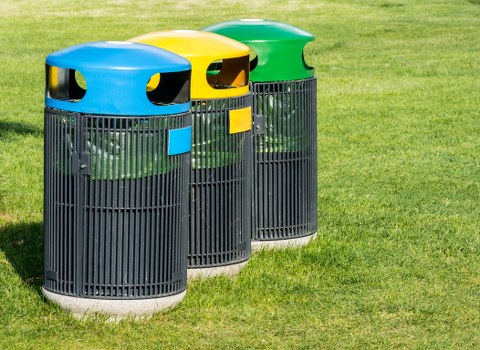 Personal protective equipment (PPE) is provided to all operatives and must be used whenever necessary. Standard PPE includes gloves, safety footwear, high-visibility clothing, eye protection and respiratory protection for dusty or contaminated environments. Training in correct use and maintenance of PPE is mandatory and stock levels are checked weekly. For specific rubbish clearance tasks additional protective measures and specific equipment will be issued based on assessed risk.
Training, competence and supervision
Staff receive induction training, task-specific instruction and refresher sessions appropriate to their role. Training covers safe manual handling techniques, correct lifting aids, containment and segregation of recyclable materials, and identification of controlled wastes. Supervisors ensure that every operative working in the rubbish clearance service area is competent and that novice staff work under close supervision until assessed as capable of independent work.Vehicles, plant and equipment used for house clearance are maintained to a safe standard and inspected routinely. Load restraint, correct loading patterns and vehicle stability are emphasised to prevent shifting loads during transit. Plant operation licences and segregation of duties help prevent misuse of equipment. When working in confined spaces or public access areas appropriate barricading and pedestrian management are applied to protect passersby and residents.
 Emergency procedures are established for first aid, fire, spill response and major incidents. First aiders are identified on every job and incident reporting follows a standard process so that near-misses and accidents are recorded, investigated and used to improve systems. In the event of encountering suspected illegal waste or unknown hazardous materials, work will be suspended and advice sought from competent authorities or specialists before continuance.
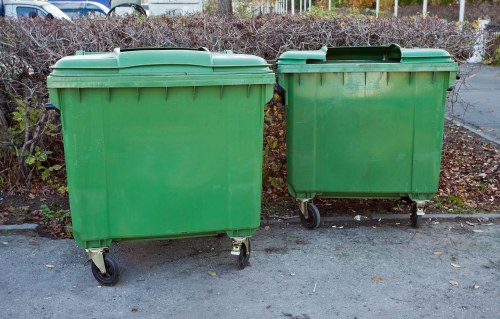 Environmental and waste handling controls are integral to the policy. Waste segregation for reuse, recycling and disposal reduces environmental impact and supports circular economy objectives. Where practical, operatives will identify recyclable items for separation at source and use licensed facilities for onward transfer. The policy encourages continuous improvement in waste minimisation and responsible disposal across the rubbish clearance service and neighbouring zones.
Contractors and subcontractors engaged in clearance activities must demonstrate equivalent standards of health and safety performance. They will be required to provide method statements, evidence of relevant training and proof of appropriate insurance before being permitted to work on site. Regular monitoring and audits ensure that sub-contractors operate in line with the house clearance provider’s safety expectations.
Monitoring of performance includes routine site inspections, toolbox talks and scheduled audits. Records of risk assessments, training, equipment maintenance and incident reports are kept to demonstrate compliance and to inform management reviews. Performance indicators such as incident frequency, near-miss reports and audit outcomes are used to prioritise improvement actions and to allocate resources where the greatest risk reduction is achievable.
Policy review and commitment: this health and safety policy will be reviewed at least annually or following any significant incident, change in legislation or operational change. The organisation is committed to continuous improvement and expects all personnel to contribute to a safer working environment. By following the measures set out in this document, we aim to deliver a responsible, safe and efficient house clearance and rubbish removal service area that protects people, property and the environment.
