Recycling and Sustainability for House Clearance Tring
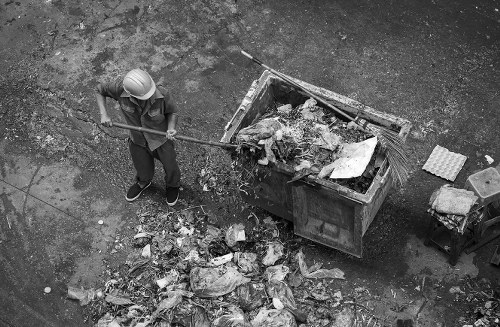
House Clearance Tring places sustainability at the heart of every clear-out. Our approach to eco-friendly waste disposal area management and creating a sustainable rubbish area for clients in Tring and the surrounding Dacorum borough combines practical recycling targets, smart logistics and local partnerships. We know that a responsible Tring house clearance means more than removing items — it means reducing landfill, diverting usable goods to reuse and ensuring hazardous materials are handled correctly. We measure our performance against clear recycling benchmarks and local authority expectations.Every clearance follows a documented sorting process aligned with the Dacorum Borough approach to waste separation: segregation of dry mixed recycling, separate food waste streams, and careful handling of green garden waste and bulky household items for reuse or proper treatment. In practice, that means our teams separate metals, plastics, glass, textiles and electrical items on site where possible, then move materials to appropriate transfer stations or charity partners. Our commitment is to keep the sustainable rubbish area as contamination-free as possible to improve recycling outcomes.
Our Recycling Percentage Target and What It Means
We have set a recycling percentage target of 85% by weight for typical domestic clearances in Tring — an ambitious but achievable goal that prioritises reuse and resource recovery over disposal. This target covers reuse, materials sent to authorised recycling facilities and items diverted to accredited refurbishers. For items not suitable for recycling due to contamination or safety reasons, we ensure lawful disposal at licensed facilities. Our target is reviewed annually to drive continuous improvement and to align with regional waste reduction strategies.Local Transfer Stations and Responsible Disposal
We routinely use nearby transfer stations and household recycling centres across Hertfordshire, including facilities near Hemel Hempstead and Berkhamsted, to ensure materials are routed correctly. These transfer stations accept segregated loads and provide onward transfer to specialist recyclers and reprocessors, which is vital for large volume clearances. By coordinating collections and loads by material type we reduce double-handling and unnecessary transport, improving the overall carbon efficiency of removal operations.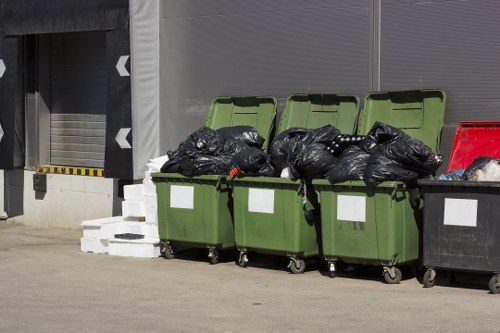
Partnerships with Charities and Reuse Initiatives
Partnering with local and national charities is a core part of how we deliver sustainable house clearance in Tring. We work with registered charities such as Emmaus and other furniture and clothing reuse organisations to donate items in good condition. These partnerships extend the life of furniture, appliances and textiles and support social enterprises that repair and resell goods. Items unsuitable for donation but suitable for parts or recycling are directed to social recycling schemes or materials recoverers, helping to build a circular economy.We also collaborate with small Tring-area community groups and reuse networks to facilitate free collection of usable items for local redistribution, supporting low-income households and reducing the amount of material entering the waste stream. Donation, repair and reuse are prioritised before any decision to recycle or dispose.
Low-Carbon Vans, Route Optimisation and Emissions Reduction
Our fleet includes low-emission vehicles and electric vans to lower operational carbon footprints during clearances. We deploy a mix of electric and hybrid vans, alongside Euro 6 diesel vehicles where necessary, to balance load capacity and emissions performance. Route optimisation software reduces mileage and allows us to combine loads from nearby jobs into a single trip, reducing fuel use and emissions across the borough. As Tring house clearance work often involves narrow lanes and residential streets, our smaller electric vans offer a low-noise, low-carbon alternative for inner-town collections.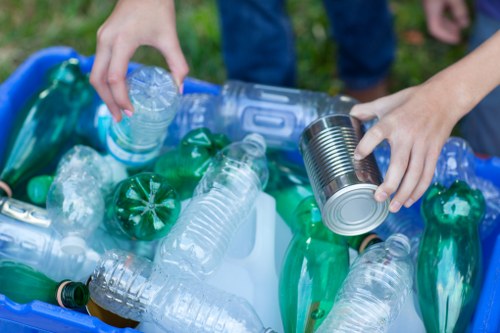
Key sustainable practices include:
- On-site segregation to reduce contamination and improve recycling rates.
- Prioritised reuse and donations through charity partnerships and social reuse schemes.
- Use of accredited transfer stations in nearby towns to ensure materials reach appropriate processors.
- Low-emission transport including electric vans and efficient route planning.
- Hazardous material handling in line with environmental regulations to prevent soil and water contamination.
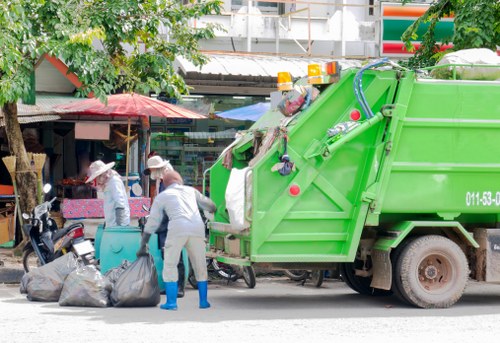
How Local Waste Separation Practices Affect Clearance
The borough's approach to waste separation plays a practical role in the outcomes of a house clearance: clear segregation of food waste, garden (green) waste and dry recycling at source dramatically increases recovery rates. When householders in Tring follow local collection guidelines, our on-site sorting is simpler and cleaner, improving the sustainable rubbish area and lowering disposal costs. For larger items, our teams advise on the best separation practices to ensure materials can enter the appropriate recycling streams quickly.By combining an 85% recycling target, use of local transfer stations, strong charity partnerships, and a low-carbon fleet, our approach to house clearances in Tring focuses on responsible, measurable outcomes. We continually audit load destinations and share learning internally to improve reuse rates and minimise landfill dependency. Ultimately, our goal is to deliver an eco-friendly waste disposal area for every clearance and to be recognised locally as a sustainable rubbish area specialist — balancing practical removal services with environmental stewardship.
